Wednesday, December 12, 2012

Tuesday, December 11, 2012
Monday, December 10, 2012
Canopic Jars
During the mummification process, human organs were removed from the body and put into jars. The jars were buried in the ground with the body as symbol to protect the persons internal organs. Egyptians took out a persons liver, stomach, intestine, and lungs to slow down the bodies decomposing process. Each organ had their own separate jar and a specific head to a god head on the top of it. Although many organs were taken out of the body, the heart was one of the few organs kept.


Sunday, December 9, 2012
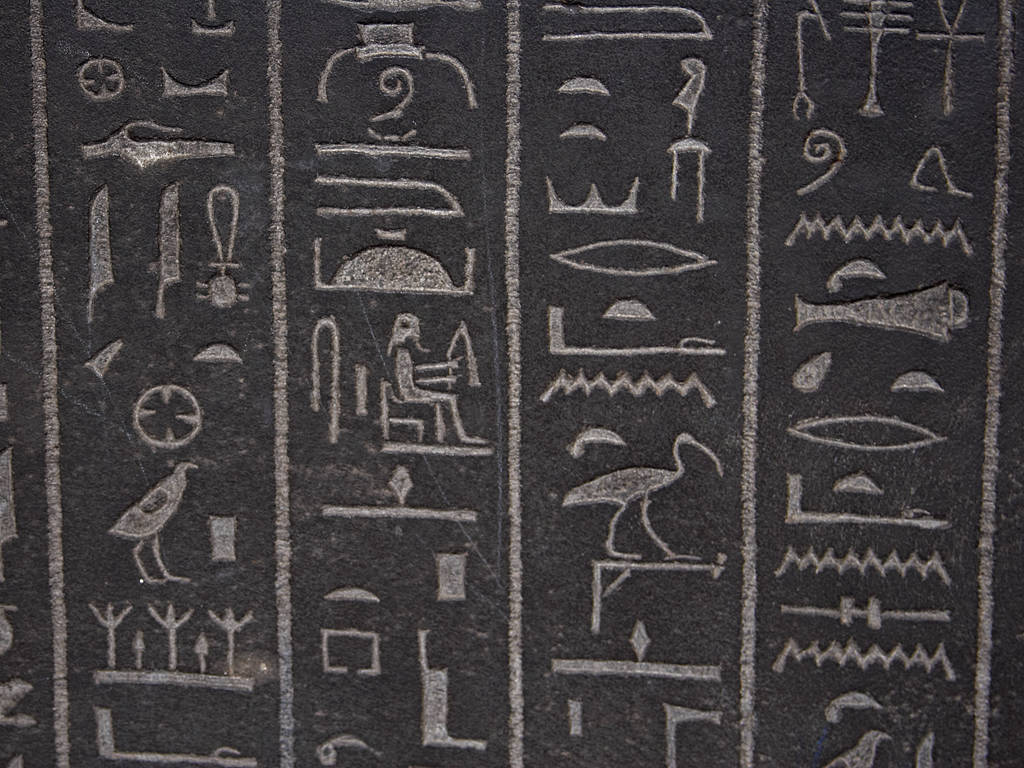
Ancient Egyptian Art
The ancient Egyptians excelled in
various forms of arts, which include pottery-making, paintings, and sculptures. Egyptian
artists typically had no restrictions on where they created these forms of art.
As a result researchers have discovered various ancient paintings on temple
walls, pyramids, tombs, scrolls, and pottery. These forms of art gave great
insight into the culture of this society. The paintings depict stories of their
vibrant culture and life. Through these works of art ancient Egyptian dress, cuisine,
and occupations were identified. In addition, art allowed us to see their religious
beliefs as well as some myths. It is important to note that one of the most impressive
forms of art developed by Egyptians was their system of hieroglyphs. This
system soon became their writing system, in which pictures and symbols
represent various sounds and words. This system itself is made up of more
than 700 symbols.


Tuesday, December 4, 2012
What Is next Morsi?
After a long week of political maneuvering in Egypt,
President Morsi conceded that he overstepped his authority in making a decree
limiting the powers of judges in Egypt.
He was faced with widespread protests in the streets and criticism by
other democratic governments, including the U.S. Today, the New York Times is reporting that
Morsi is pushing for plans to have a referendum on the new national
constitution by December 15 and asking for a national dialogue.
However, his actions do not seem to be as democratic as this
might sound. He is perceived by
Egyptians to be furthering the agenda of his party and his Islamist allies,
rather than listening to the more secular population. People are taking to the streets to voice
their positions. Egypt continues to be
at the very center if developing a new democracy. The world is watching.
Saturday, December 1, 2012
Major Cults of Egypt
The cults of Ra and Osiris were the
most important forms of Egyptian worship.

Osiris's myth displayed the ideals of family devotion and how important it is to community. Along with family devotion, Osiris was connected with the Nile River, the grain of the Earth, the moon, and sun. Osiris was the protector of all people, whether they were poor or rich and was known as king and judge of the dead. When murdered by his brother, Set, he became a symbol of eternal persistence of life.

Ra's cult was one of the most important in Ancient Egypt. He was thought of as a living power whose everyday sequence of birth, journey, and death was an essential theme of life. The pyramid was Ra's main emblem and became the main design of monumental tombs for Egyptian Pharaohs. Ancient rumors have linked him to be a direct ancestor of past kings. Some hymns have even called him a dead king.
Subscribe to:
Posts (Atom)